



Restoration
Land & Livestock
Targeted Grazing with Goats and Sheep for Fire Safety and Land Management in Nevada County, CA
Defensible Space • Weed Control • Soil Improvement • Pasture Preparation • Grazing Diversity • Forest Health • Carbon Sequestration • Native Habitat Restoration



Proudly Serving…



In Cooperation With…

CalFire BEU interviewed one of RLL & BBB’s goats about wildfire mitigation:
“Not all wildfire prevention crews wear yellow.
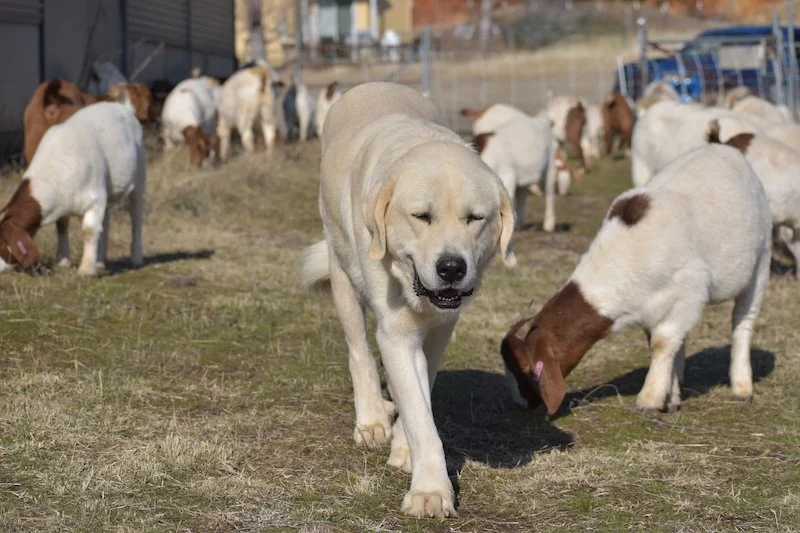
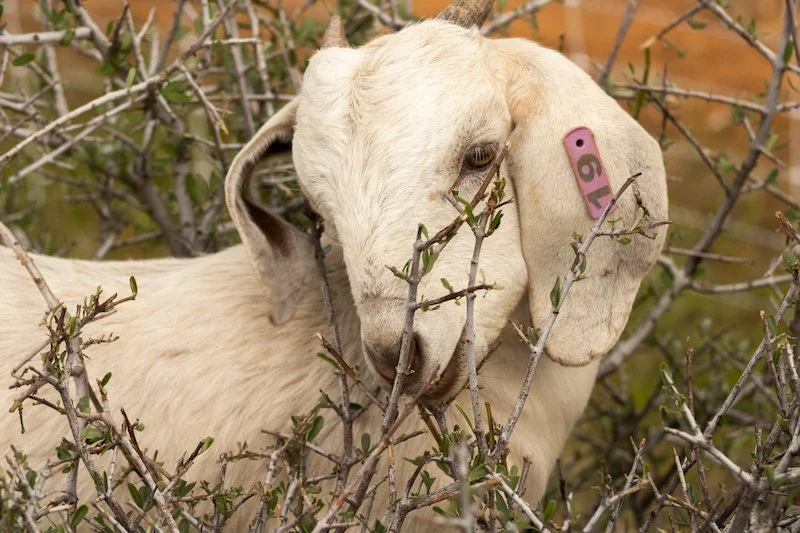
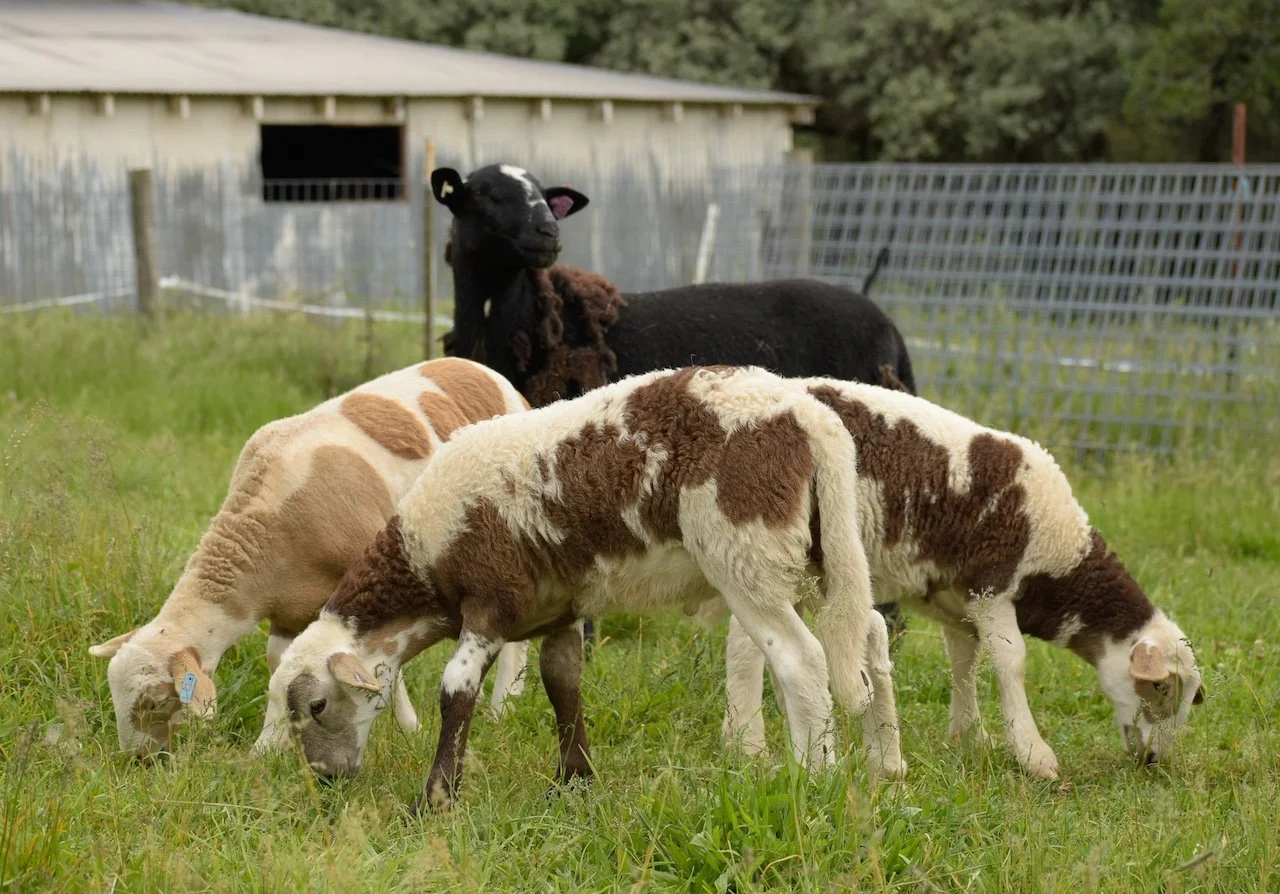
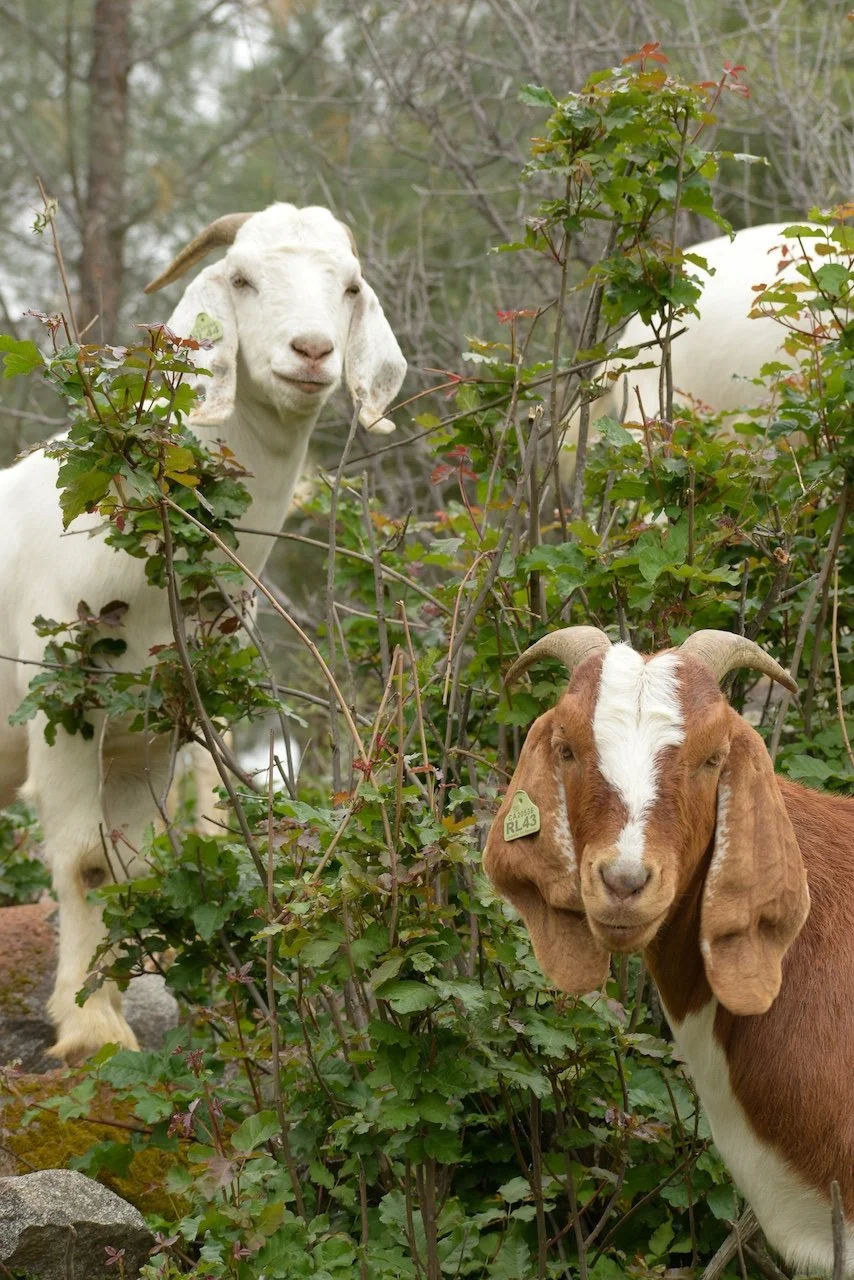
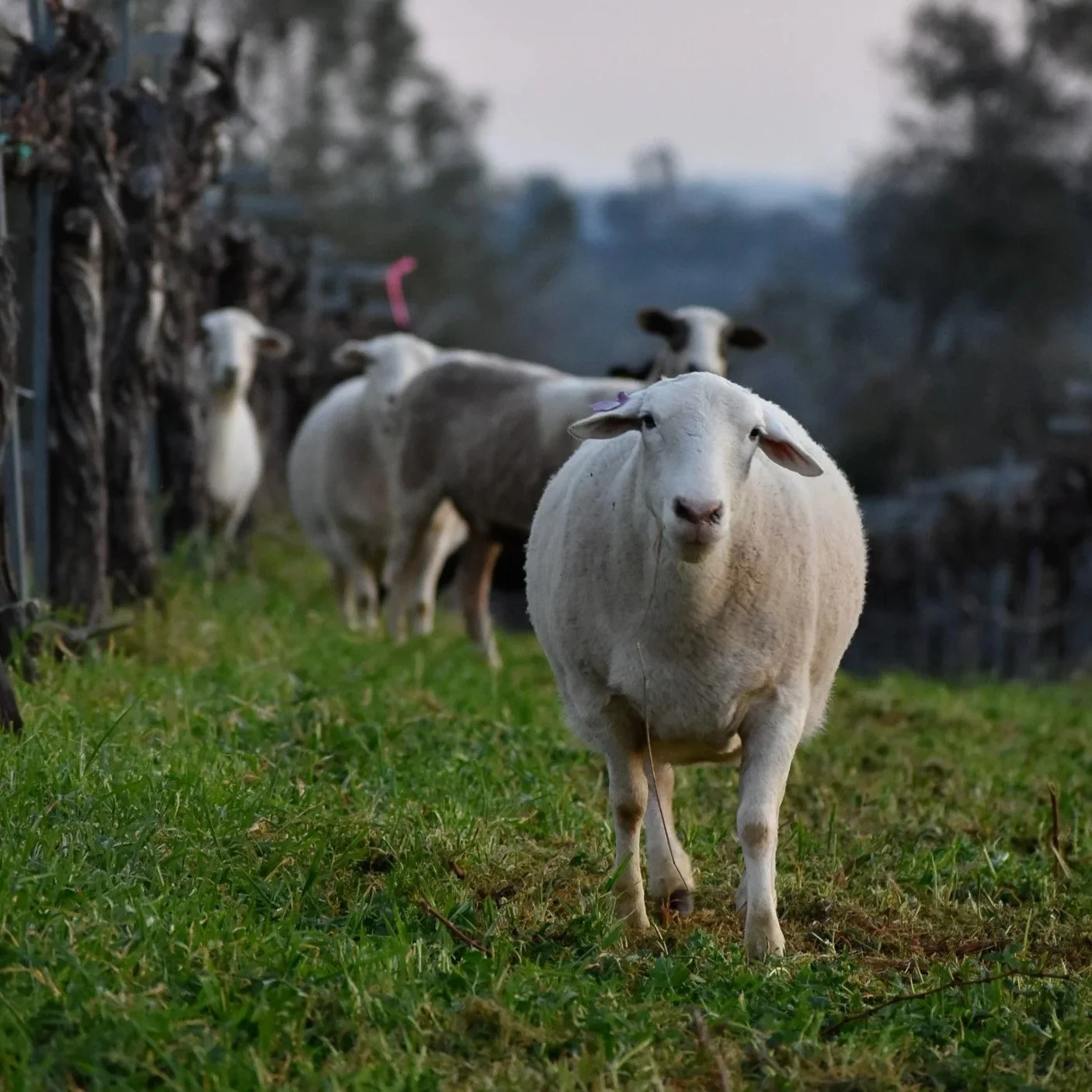
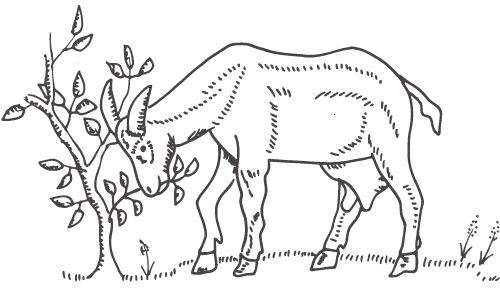
Across California, targeted grazing is helping reduce wildfire risk by putting hungry herds to work. Goats, sheep, and other grazing animals naturally consume dry grasses, brush, and other vegetation, reducing combustible fuels and helping remove ladder fuels that can allow fire to climb into tree canopies.
Targeted grazing is one of many tools CAL FIRE and our partners use to build healthier, more wildfire-resilient landscapes. When paired with other fuel reduction efforts, it’s a sustainable and cost-effective way to help protect communities before the next wildfire starts.
Many of these projects are made possible through CAL FIRE Wildfire Prevention Grants, supporting local partners in creating safer, more resilient communities.
Wildfire prevention is a year-round effort—and sometimes, the hardest workers have four legs.”